
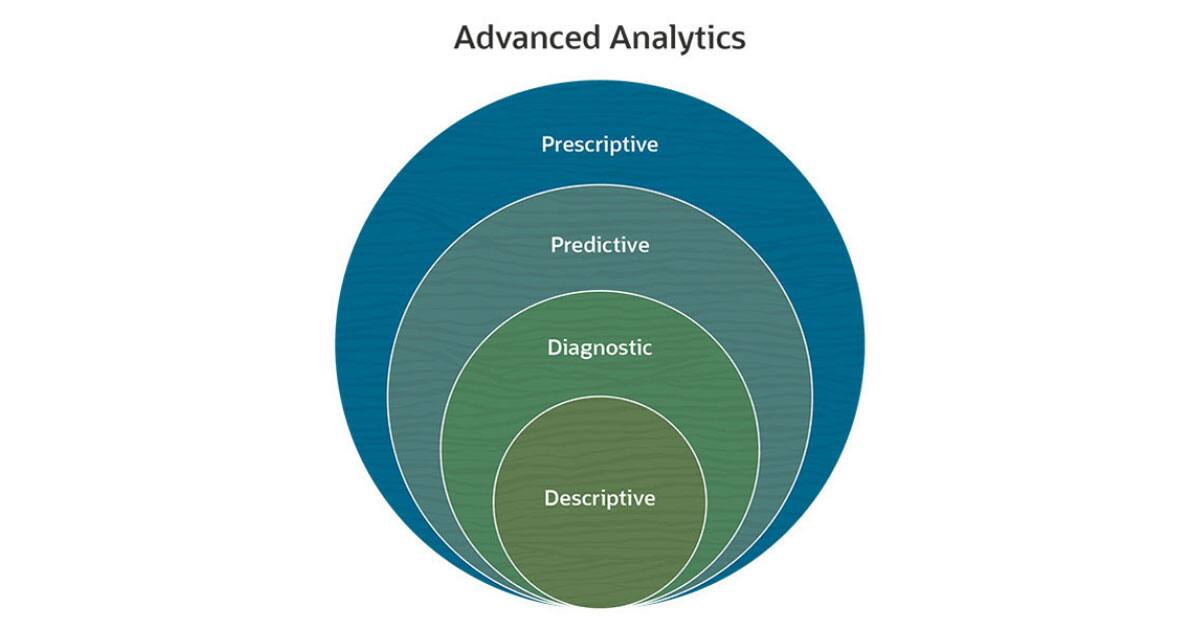
In today’s data-driven world, the line between everyday math and advanced analytics is blurring. The calculators you used in school might seem worlds apart from the complex algorithms powering big data analysis, but they’re more closely related than you might think. This connection isn’t just theoretical – it’s reshaping how we approach problem-solving in both personal and professional spheres.
The Evolution of Math Tools: From Abacus to AI
Math tools have come a long way since the days of the abacus. Today’s scientific calculators can perform complex statistical analyses that were once the domain of specialized software. But the real magic happens when we combine these familiar tools with cutting-edge data analytics techniques.
Consider how a simple spreadsheet can transform into a powerful data analysis tool. With just a few formulas and some basic statistical knowledge, you can uncover insights that might have taken weeks to calculate by hand. This accessibility is democratizing data analysis, allowing more people to engage with complex datasets without needing a Ph.D. in statistics.
From Basic Arithmetic to Predictive Models
The journey from basic math to advanced analytics isn’t as steep as you might think. Many of the fundamental concepts you learned in school form the building blocks of more complex analytical methods. For example:
-
Averages and outliers: The mean you calculated in math class is a key concept in understanding data distribution and identifying anomalies in large datasets.
-
Percentages and ratios: These basic calculations are crucial for normalizing data and making fair comparisons across different scales.
-
Graphing: Those x-y plots you made in algebra? They’re the precursors to sophisticated data visualizations that help analysts spot trends and patterns.
By mastering these foundational skills, you’re laying the groundwork for more advanced techniques like regression analysis, clustering, and even machine learning algorithms.
Everyday Tools in Action: Real-World Applications
Let’s look at some concrete examples of how everyday math tools are supporting advanced analytics:
-
Budgeting to Business Intelligence: Personal finance apps use the same principles of income tracking and expense categorization that power enterprise-level business intelligence tools. The leap from balancing your checkbook to analyzing company-wide spending patterns is smaller than you might think.
-
Fitness Tracking to Health Analytics: The step counter on your phone uses basic arithmetic to estimate calories burned. Scale this up, and you’ve got the foundation for population-level health analytics that can predict disease outbreaks or optimize healthcare resources.
-
Recipe Scaling to Supply Chain Optimization: Adjusting ingredient quantities for a larger batch of cookies uses the same proportional thinking that’s crucial in complex supply chain management systems.
These examples show how the mathematical thinking we use in daily life scales up to solve major business and societal challenges.
Bridging the Skills Gap
Despite the clear connection between everyday math and advanced analytics, there’s still a significant skills gap in the workforce. Many professionals feel intimidated by data analysis, viewing it as something beyond their capabilities. However, this perception is often misplaced.
To bridge this gap, we need to focus on:
-
Contextual Learning: Teaching math and statistics in real-world contexts helps people see the relevance and application of these skills.
-
Tool Familiarity: Encouraging the use of accessible tools like spreadsheets and online calculators can build confidence in working with data.
-
Continuous Education: Offering opportunities for professionals to upskill in data analysis techniques, building on their existing math knowledge.
By demystifying data analytics and showing its connection to familiar math concepts, we can empower more people to engage with data meaningfully in their work and personal lives.
The Role of Technology in Bridging the Gap
Technology plays a crucial role in making advanced analytics more accessible. User-friendly interfaces and automated processes are lowering the barrier to entry for complex data analysis. For instance:
-
No-code platforms: Tools like Tableau and Power BI allow users to create sophisticated visualizations and perform advanced analytics without writing a single line of code.
-
AI-assisted analysis: Many software packages now include AI features that can suggest relevant analyses or explain statistical concepts in plain language.
-
Cloud computing: Access to powerful computing resources means that even small businesses can run complex analytical models that were once the domain of large corporations with dedicated data centers.
These technological advancements are democratizing data analysis, making it possible for anyone with basic math skills to dive into advanced analytics.
The Future of Math and Data Analytics
As we look to the future, the integration of everyday math tools and advanced analytics is likely to deepen. We can expect to see:
-
More intuitive interfaces: Analytics tools will continue to evolve, becoming more user-friendly and accessible to non-technical users.
-
Increased automation: AI will take on more of the heavy lifting in data analysis, allowing humans to focus on interpretation and decision-making.
-
Broader application: Data analytics will become an integral part of more professions, from marketing to healthcare to education.
This trend towards integration and accessibility is exciting, but it also comes with responsibilities. As more people engage with data analytics, there’s a growing need for data literacy and ethical considerations in how we collect, analyze, and interpret data.
Conclusion: Empowering Everyone with Data Skills
The gap between everyday math and advanced analytics is narrowing, and that’s good news for everyone. By recognizing the connections between the math we use daily and the powerful analytical tools shaping our world, we can demystify data analysis and make it more accessible.
Whether you’re a student, a professional, or just someone curious about the world around you, embracing this connection can open up new ways of understanding and solving problems. The next time you use a calculator or create a budget spreadsheet, remember: you’re not just doing math – you’re laying the groundwork for advanced analytics.
By bridging this gap, we’re not just improving our individual capabilities; we’re creating a more data-literate society, better equipped to tackle the complex challenges of our time. And it all starts with those simple math tools we’ve been using all along.
Data Science Society provides more insights into how everyday mathematics applies to data science, further illustrating the seamless connection between basic math skills and advanced analytical techniques.