
In the realm of database management, ensuring optimal performance and reliability is essential for supporting business-critical applications and maintaining data integrity. Database monitoring and performance tuning play a crucial role in proactively identifying and addressing bottlenecks, inefficiencies, and performance issues that may impact the overall performance of database systems. In this article, we’ll explore the importance of database monitoring and performance tuning, key metrics to monitor, and proactive strategies for optimizing database operations.
It helps re-streamline an information base framework start to finish, from programming to equipment, to work on in general execution. Tuning includes speeding up question reaction, further developing ordering, sending bunches, and reconfiguring OSes as indicated by how they’re best used to emotionally supportive network capability and end-client experience.
As anybody liable for data set execution knows generally excessively well — execution tuning can be one of the most difficult and sought after necessities of data set administration. Frequently ignored is a basic capability to this interaction — data set checking.
The Importance of Database Monitoring and Performance Tuning
Database monitoring involves the continuous collection, analysis, and visualization of key performance metrics and operational data to assess the health, performance, and availability of database systems. Performance tuning, on the other hand, focuses on optimizing database configurations, queries, and resource utilization to improve performance, scalability, and efficiency. Here’s why database monitoring and performance tuning are critical:
- Proactive Issue Detection: Monitoring database performance in real-time enables organizations to proactively detect and address performance issues, errors, and anomalies before they impact users or business operations.
- Resource Optimization: Performance tuning helps optimize database resources, such as CPU, memory, storage, and network bandwidth, to maximize efficiency and minimize resource contention.
- Improved User Experience: By optimizing database performance and responsiveness, organizations can enhance the user experience, reduce latency, and improve application performance for end-users.
- Cost Savings: Optimizing database performance and resource utilization can lead to cost savings by reducing infrastructure costs, minimizing downtime, and improving overall operational efficiency.
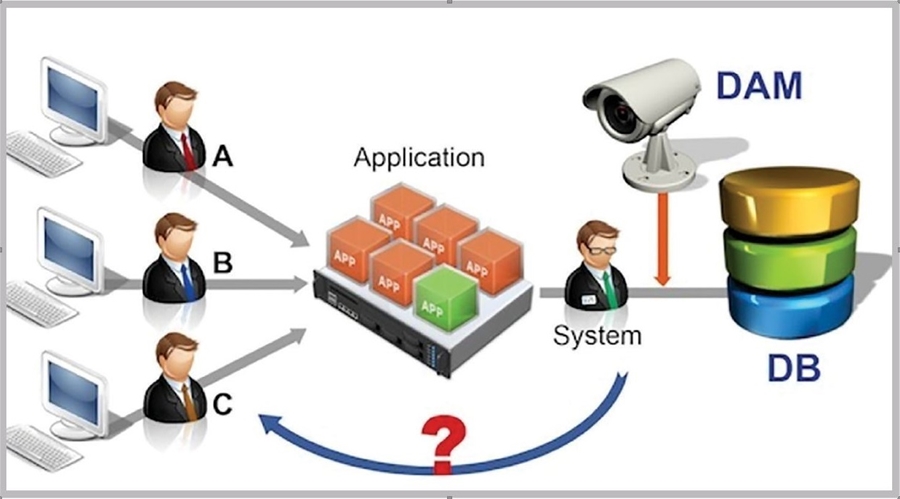
Data set observing is fundamental as it straightforwardly influences the presentation and proficiency of your frameworks and applications. Constantly noticing and breaking down the information base’s presentation measurements empowers the enhancement and adjusting of data set processes. This, thus, guarantees superior execution, unwavering quality, and consistent client encounters. Data set observing is significant in its capacity to expect and resolve issues before they lead to basic framework disappointments or application lulls, along these lines keeping up with generally speaking functional adequacy.
Data set execution is fundamental in keeping up with the exhibition of a framework or application. By and large, a sluggish performing application or lethargic framework demonstrates a basic issue with the data set execution.
Information base execution issues can result from wastefully coded SQL explanations, a defective data set structure, or sub-standard application code dependent on the data set.
Now and then, little failures gather because of changes over the long haul can likewise cause lackluster showing, so you should constantly further develop your information base execution.
Key Metrics for Database Monitoring
Effective database monitoring requires tracking and analyzing a variety of performance metrics and operational data. Key metrics to monitor include:
- CPU Utilization: Monitoring CPU utilization helps assess the workload on the database server and identify potential CPU bottlenecks that may affect performance.
- Memory Usage: Tracking memory usage enables organizations to ensure that database systems have sufficient memory resources to handle workload demands and prevent memory-related issues.
- Disk I/O Performance: Monitoring disk I/O performance helps identify storage bottlenecks and optimize disk throughput, latency, and utilization for optimal database performance.
- Query Execution Times: Monitoring query execution times and response times helps identify slow-performing queries, optimize query plans, and improve overall query performance.
- Database Throughput: Tracking database services throughput, such as transactions per second or data transfer rates, helps assess the overall performance and capacity of database systems.
- Locking and Blocking: Monitoring locking and blocking activity helps identify contention issues and concurrency problems that may affect database performance and user concurrency.
Fathoming the different exhibition measurements inside a data set framework is fundamental for assessing and improving its functional productivity. These measurements, going from reaction time to asset usage, give an extensive comprehension of the data set’s exhibition, taking into consideration designated streamlining and calibrating.
Data set observing can assist you with recognizing execution issues proactively and track down improvement valuable open doors. Utilizing this data, information base managers can tune a data set for further developed execution and responsiveness.
Picking the right data set can incredibly influence an application’s exhibition, adaptability, and unwavering quality by deciding how effectively it can oversee and recover information. Various data sets are intended to deal with different kinds of information and burdens, so this decision is critical for ideal application execution.
Checking execution makes includes setting up robotized warnings aware of immediately ready executives of critical deviations in data set execution measurements. These cautions empower quick restorative activities, keeping likely issues from heightening and affecting framework or application execution. Setting limits for explicit measurements takes into consideration convenient intercessions, guaranteeing a proactive and responsive way to deal with keeping up with data set wellbeing and execution.
Proactive Strategies for Database Performance Tuning
To optimize database performance and ensure optimal operations, organizations can adopt the following proactive strategies:
- Database Schema Optimization: Review and optimize database schemas, indexes, and data structures to minimize storage overhead, improve query performance, and reduce data access times.
- Query Optimization: Analyze and optimize SQL queries to improve execution plans, reduce query response times, and minimize resource consumption. Techniques such as index optimization, query rewriting, and query caching can help optimize query performance.
- Index Optimization: Review and optimize database indexes to ensure they are properly configured, covering frequently queried columns, and not causing excessive overhead or maintenance costs.
- Database Configuration Tuning: Fine-tune database configuration settings, such as buffer sizes, cache settings, and concurrency parameters, to optimize resource utilization and performance for specific workload patterns.
- Storage Optimization: Optimize storage configurations, such as RAID levels, storage tiering, and caching mechanisms, to maximize disk I/O performance and minimize latency for database operations.
- Query Caching and Materialized Views: Implement query caching mechanisms and materialized views to cache query results and precompute aggregations, reducing the overhead of query execution and improving query performance.
- Database Partitioning and Sharding: Partition large tables and databases into smaller, more manageable chunks to distribute data across multiple storage devices or servers, improving scalability and performance.
Data set execution can be impacted by different difficulties that engineers might experience. A few normal difficulties incorporate lacking asset portion, security concerns, and versatility issues.
Insufficient asset designation is one of the essential explanations behind lackluster showing. Cloud data sets, specifically, require appropriate computer processor, memory, and capacity assets to guarantee ideal execution.
Assuming you actually take a look at your information base administration programming dashboard and messages one morning and understand that your data set applications have dialed back, do you figure it will be the ideal opportunity to do data set observing? No. All things considered, you really want to tune the exhibition. Yet, without checking the applications for a time span, how might we tune?
By observing the presentation, you get verifiable information that assists you with distinguishing what you want to tune and how to tune it accurately. In addition to the fact that tuning is more straightforward, it’s viable when you do standard data set checking which gives an extensive outline of data set measurements. Besides, it turns away issues before they influence your business.
Information base checking includes involving various contents for catching and putting away hang tight time information for additional investigation. We can likewise fill a checking table with measurements, for example, stand by occasions, coherent peruses, column counts, and locked objects. Applying these measurements can permit you to set cautions about patterns like low memory and inadequate circle space.
When the insights assortment process is computerized and the tables have matured, it’s a great chance to investigate their verifiable exhibition. In spite of the fact that it might appear less than ideal to check for issues in the log data set while it’s performing without a hitch, still, the best opportunity to do that is before a data set can begin having issues.
The justification for this is that it saves you a ton of problem which you will confront in any case. At the point when your data set is ready to go, you have constantly to examine and tune it without rebooting the server or taking the information base disconnected.
Conclusion
Database monitoring and performance tuning are essential practices for ensuring optimal performance, reliability, and efficiency in database operations. By proactively monitoring key performance metrics, analyzing performance data, and optimizing database configurations, organizations can identify and address performance issues, improve resource utilization, and enhance the overall performance of database systems. With proactive strategies and best practices in place, organizations can optimize database operations, minimize downtime, and ensure a smooth and efficient user experience for business-critical applications and services.