
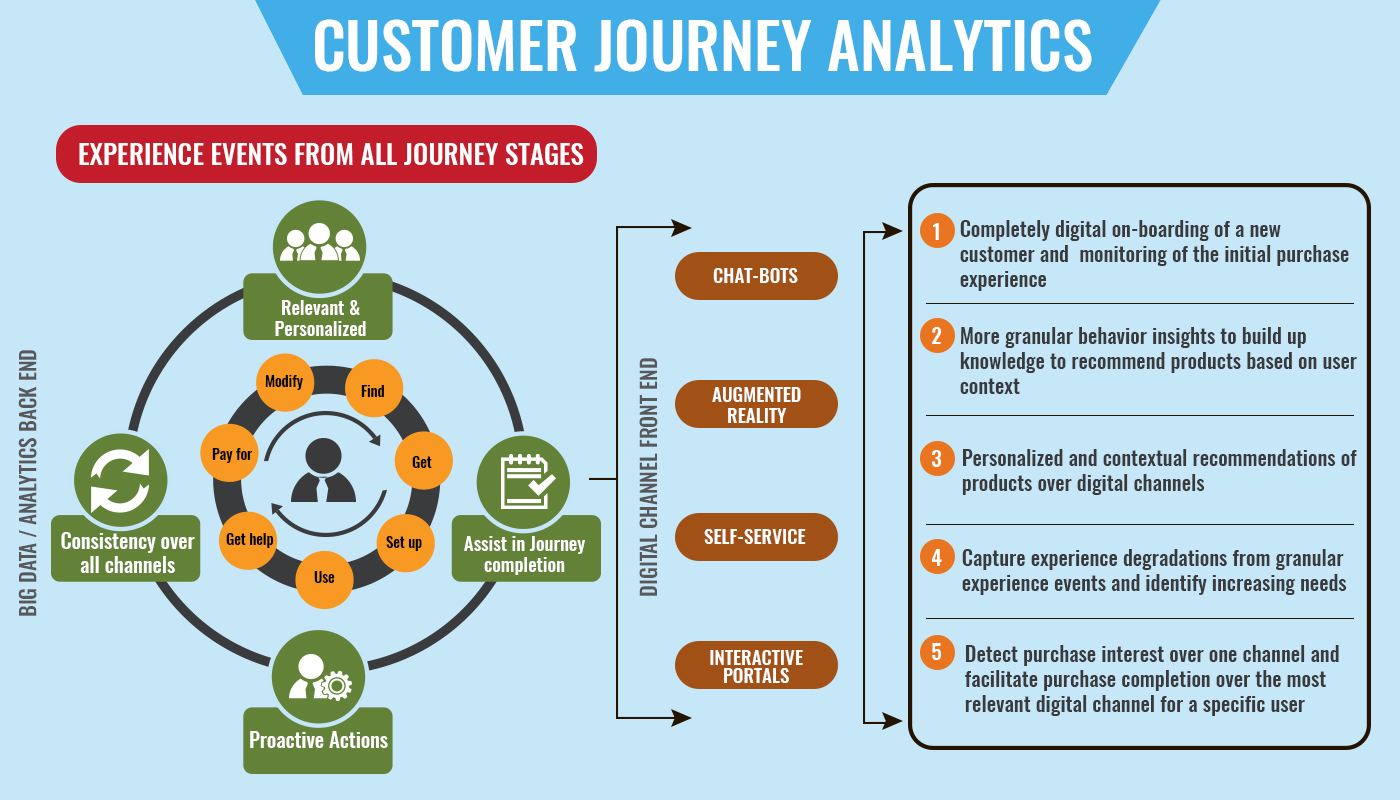
Companies are increasingly turning to analytics for customer experience to gain a competitive edge. By diving deep into the wealth of data available, analyzing patterns, and deriving actionable insights, businesses can fine-tune their strategies to meet customer expectations better. So, delve into the pivotal role that customer experience analytics plays in driving improvements in consumer satisfaction and loyalty, ultimately benefiting businesses in the long run.
1. Uncovering Insights through Data Analysis:
At the heart of these analytics is the meticulous data analysis process. Companies can unearth invaluable insights into consumer behavior, preferences, and pain points by carefully scrutinizing vast amounts of buyer data collected from various touchpoints—from online interactions, social media, and consumer service records to in-store engagements. These insights, rich in detail and scope, serve as a guiding light, empowering enterprises to make informed decisions. With precise analysis, companies can tweak their offerings to better align with buyer expectations and desires, ultimately enhancing satisfaction and loyalty. This strategic alignment improves the buyer journey and boosts overall company performance.
2. Personalizing Customer Interactions:
Personalization has increasingly become a strategic differentiator among companies seeking to capture and retain consumer interest and loyalty. The ability to offer tailored experiences can significantly impact a company’s success. This customization is largely driven by customer experience analytics, which involves collecting and analyzing consumer interactions to deliver more effective services and products. By understanding these behaviors, preferences, and needs through data-driven insights, companies can design their interactions to cater to individual profiles.
Using sophisticated analytics tools allows businesses to sift through large volumes of data to identify meaningful patterns and trends. These insights enable the creation of targeted recommendations, promotions, and support mechanisms that resonate on a personal level with consumers. For example, by analyzing browsing and purchase histories, a company can suggest products buyers are more likely to purchase. Similarly, personalized email marketing campaigns can be developed by understanding when customers are most receptive to communication.
3. Predicting Future Trends and Preferences:
The ability to anticipate future trends and preferences gives businesses a significant competitive advantage. These analytics enable predictive modeling, allowing businesses to forecast trends, identify emerging opportunities, and proactively address potential issues. By staying one step ahead of the curve, businesses can adapt their strategies to remain relevant and maintain consumer loyalty, positioning themselves as industry leaders and trendsetters.
4. Enhancing Product and Service Offerings:
Continuous improvement is imperative for businesses striving to stay ahead in today’s dynamic marketplace. These analytics provide valuable feedback on product and service performance, highlighting areas for enhancement and innovation. By actively listening to feedback and analyzing usage patterns, businesses can refine their offerings, introduce new features, and deliver superior experiences that resonate with their target audience, driving satisfaction and loyalty.
5. Strengthening Customer Relationships:
Building strong, lasting relationships with buyers is essential for fostering loyalty and driving business growth. These analytics empower businesses to understand better individual buyers, their preferences, and their journey with the brand. Armed with this knowledge, businesses can engage in meaningful conversations, address concerns promptly, and exceed expectations, thereby strengthening relationships and fostering loyalty over time. By prioritizing customer relationships and delivering exceptional experiences, businesses can cultivate a loyal base that serves as brand advocates and drives sustainable growth.
Buyer expectations continue to evolve rapidly, businesses cannot afford to underestimate the importance of customer analytics. By harnessing the power of data and insights, businesses can enhance customer satisfaction, foster loyalty, and ultimately drive sustainable growth. From uncovering actionable insights to personalizing interactions and predicting future trends, these customer experience analytics empower businesses to stay ahead of the curve and deliver exceptional experiences that keep customers coming back for more. Embracing these analytics isn’t just a strategy—it’s a commitment to putting the customer at the center of everything you do.