
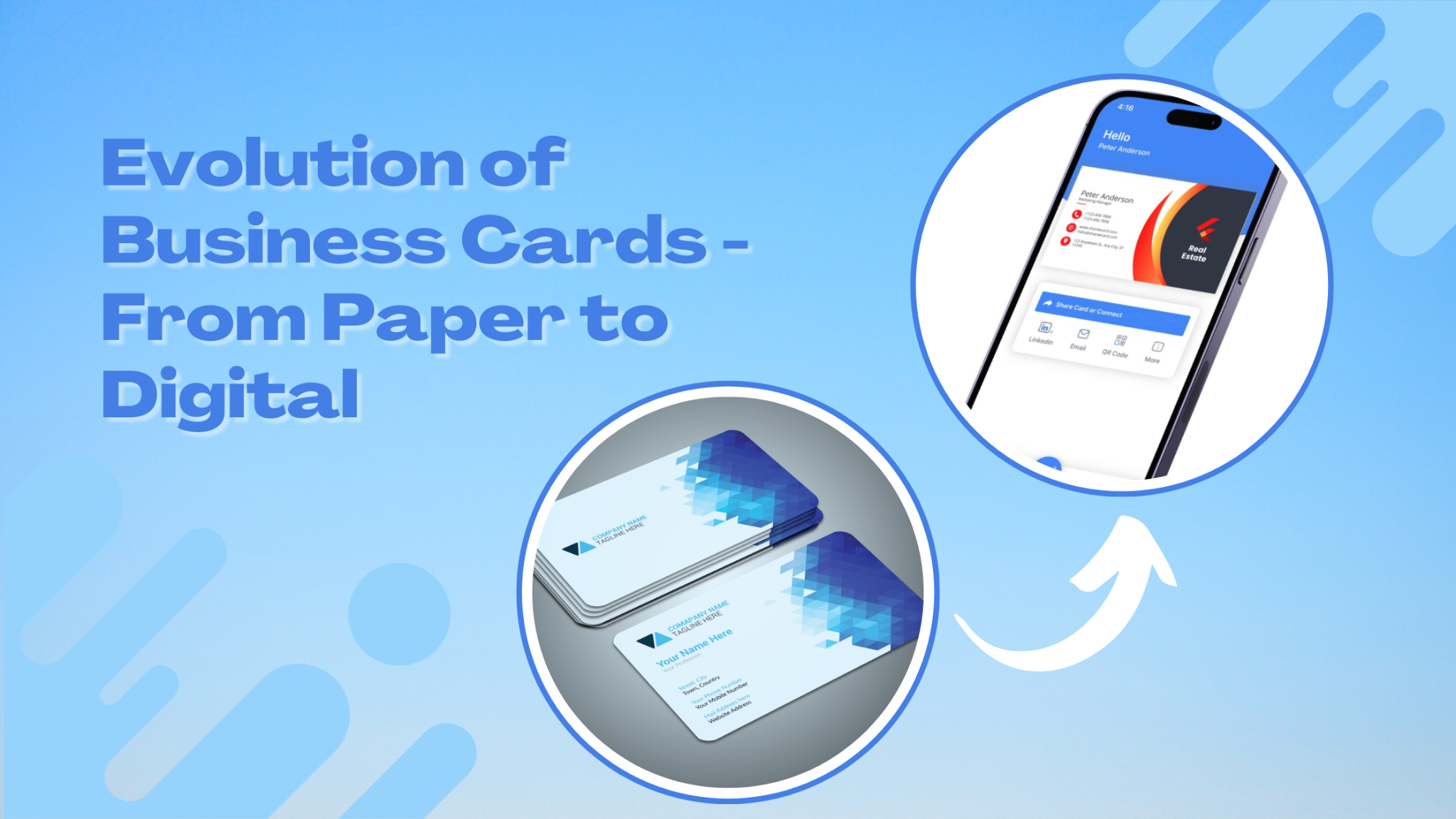
Business cards have been a fundamental tool in the professional world for many years, serving as a straightforward way for people to exchange contact information. Initially, these cards were simple paper items that carried essential details like names, job titles, and contact numbers. However, as our world has become increasingly digital, so too has the way we share our professional identities. This evolution from paper to digital business cards marks a significant shift in networking practices, reflecting the growing influence of technology in our daily interactions.
Digital business cards now offer a more dynamic and versatile way to connect, providing opportunities to include a wider range of information and media. This transition not only makes sharing easier but also aligns with contemporary needs for sustainability and efficiency. In this article, we delve into the journey of business cards, tracing their path from their humble paper beginnings to the multifaceted digital formats we use today. This change is not just about the tools we use but also highlights a broader transformation in how we approach professional networking and communication in an increasingly connected world. Read on!
The Beginning of Business Cards
The history of business cards dates back to the 17th century, starting as visiting cards. These were primarily used by the aristocracy to announce their arrival or intentions to visit. As commerce and trade expanded, these cards gradually took on a more business-oriented role, incorporating job titles and contact information to facilitate professional connections.
The Rise of Paper Business Cards
By the 19th century, paper business cards had become an essential part of the business world. They served as a quick way to exchange contact details and were often designed with care to leave a lasting impression. The quality, design, and information on these cards could speak volumes about a person’s professional status and brand identity.
The Shift to Digital Cards
The transformation from traditional paper business cards to digital ones is a significant milestone in the evolution of professional networking. This shift didn’t happen overnight; it was the result of gradual changes in technology and communication preferences over several years. As the digital world expanded, so did the opportunities for innovation in how we connect with others professionally.
Driving Factors
Several key factors contributed to the widespread adoption of digital business cards:
-
Technological Advancements: The rise of smartphones and the internet has made digital communication the norm. People began to look for more tech-savvy ways to share their professional information, paving the way for digital cards.
-
Environmental Concerns: Growing awareness about environmental issues led many to reconsider their use of paper and seek more sustainable alternatives. Digital business cards, which require no physical materials, emerged as an eco-friendly option.
-
Globalization: As businesses become more global, the need for an easy and efficient way to share contact information across borders becomes apparent. Digital cards can be shared with anyone, anywhere, without the limitations of physical distance.
-
Pandemic Influence: The COVID-19 pandemic accelerated the shift towards digital networking tools. With in-person meetings and events on hold, professionals turned to digital business cards as a safe and convenient way to maintain connections.
Why are Digital Cards More Beneficial Than Paper Cards?
Digital business cards offer several advantages over their paper counterparts:
-
Eco-friendly: By eliminating the need for paper, digital cards contribute to reducing waste and conserving resources, aligning with growing environmental concerns.
-
Cost-effective: Digital cards remove the recurring costs associated with printing and designing paper cards, offering a budget-friendly alternative for professionals and businesses.
-
Easily Updated: Changes in job title, contact information, or branding can be instantly updated on a digital card, ensuring your network always has access to your current details.
-
Convenient Sharing: Digital cards can be shared with anyone, anywhere, at any time, through email, social media, or messaging apps, facilitating networking beyond geographical constraints.
-
Enhanced Features: Unlike paper cards, digital versions can include links to social media profiles, websites, and even multimedia content, providing a richer, more engaging introduction.
-
Analytics Tracking: Some digital card platforms offer analytics, allowing users to track how often their card is viewed or shared, offering insights into networking effectiveness.
How to Make and Share Digital Business Cards?
Creating and sharing a digital business card is a straightforward process:
-
Choose a Platform: Start by selecting a digital business card platform. Many offer a range of templates and customization options to suit different professional needs.
-
Customize Your Card: Enter your contact information, including name, job title, company, phone number, and email address. Customize the design to reflect your brand, adding your logo, professional photo, and any brand colors.
-
Add Additional Content: Enhance your card by adding links to your professional social media profiles, website, or portfolio. Consider including a short video introduction or a digital brochure for a more comprehensive presentation.
-
Generate a Shareable Link or QR Code: Once your card is ready, the platform will generate a shareable link or QR code. This can be easily distributed via email, text, social media, or even embedded in your email signature.
-
Share Your Card: Share your digital business card at networking events, meetings, or in any professional correspondence. With just a click or a scan, new contacts can view your card and save your details.
Conclusion
The transition from paper to digital business cards signifies a major evolution in professional networking. These digital versions bring practical, environmental advantages and align with the modern professional’s desire for more efficient, flexible, and innovative ways to communicate.
As technology progresses, digital business cards are set to become the norm, reshaping our networking practices and business interactions for the better. This shift not only streamlines the process of sharing contact information but also opens new avenues for creativity and personal branding, ensuring that professionals can stand out in a crowded digital landscape.