
Introduction:
In the dynamic landscape of software development, the role of a Full Stack Software Engineer has emerged as a key player. Combining expertise in both front-end and back-end technologies, these professionals possess a comprehensive skill set to design, develop, and deploy robust applications. In this article, we delve into the intricacies of the Full Stack Software Engineer role, exploring the requisite skills, responsibilities, and the promising career path it offers.
Understanding the Role of a Full Stack Software Engineer:
A Full Stack Software Engineer is essentially a versatile professional who can work on both the client-side and server-side of applications. Unlike specialized developers who focus solely on either front-end or back-end development, a Full Stack Engineer is proficient in an array of technologies, frameworks, and programming languages, enabling themin order to manage many facets of the software development procedure.
Key Skills Required:
Proficiency in Front-End Technologies:
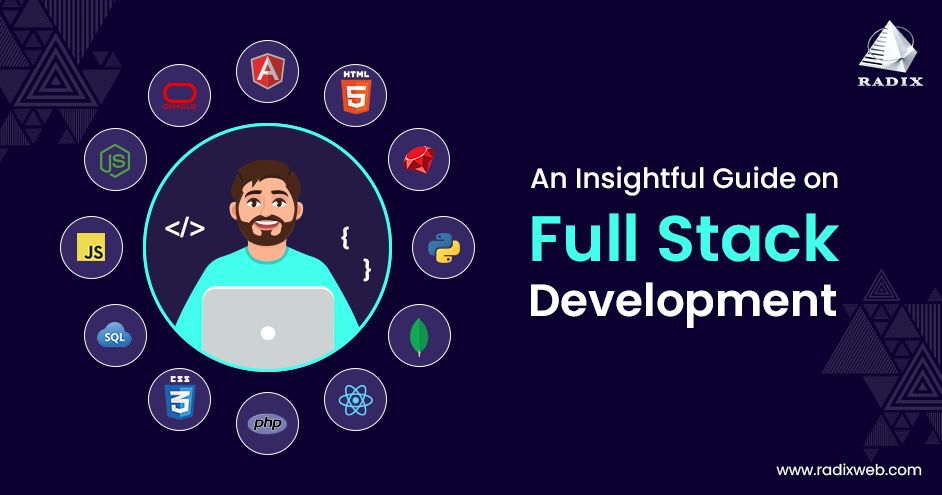
Full Stack Engineers must have a strong command over front-end technologies such as HTML, CSS, and JavaScript. They should be adept at building responsive and user-friendly interfaces that deliver an exceptional user experience across different devices and browsers.
Mastery of Back-End Technologies:
In addition to front-end skills, Full Stack Engineers must be well-versed in back-end technologies like Node.js, Python, Ruby on Rails, or Java. They should possess the ability to develop robust server-side logic, manage databases, and handle server deployment and scaling.

Knowledge of Databases:
A thorough understanding of databases is crucial for Full Stack Engineers. They should be proficient in SQL and NoSQL databases such as MySQL, PostgreSQL, MongoDB, or Firebase, and know how to design efficient database schemas, optimize queries, and ensure data integrity and security.
Version Control:
Proficiency in version control systems like Git is essential for Full Stack Engineers to collaborate effectively with team members, track changes in codebase, and manage project repositories.
Problem-Solving Skills:
Full Stack Engineers should possess strong analytical and problem-solving abilities. They must be capable of identifying and resolving technical challenges efficiently, whether it’s debugging code, optimizing performance, or implementing new features.
Responsibilities of a Full Stack Software Engineer:
Requirement Analysis:
Full Stack Engineers collaborate closely with stakeholders to gather requirements, understand project objectives, and define technical specifications for software solutions.
Design and Development:
They are responsible for designing architecture, developing both front-end and back-end components, and integrating various modules to create a cohesive application.
Testing and Quality Assurance:
Full Stack Engineers conduct thorough testing to ensure the functionality, performance, and security of applications. They write unit tests, perform integration testing, and address any bugs or issues that arise during the testing phase.
Deployment and Maintenance:
Once the application is ready, Full Stack Engineers oversee the deployment process, configure servers, and monitor system performance. They also provide ongoing maintenance and support to ensure the smooth operation of the application.
Career Path for Full Stack Software Engineers:
The career path for Full Stack Software Engineers is promising, with ample opportunities for growth and advancement. Here’s a typical progression:
Junior Full Stack Software Engineer:
Entry-level professionals start as Junior Full Stack Engineers, gaining hands-on experience and honing their skills under the guidance of senior team members.
Full Stack Software Engineer:
As they gain expertise and demonstrate proficiency in various technologies, they advance to the role of Full Stack Software Engineer, taking on more responsibilities and contributing to complex projects.
Senior Full Stack Software Engineer:
Senior Full Stack Engineers have extensive experience and a deep understanding of software development principles. They often lead teams, mentor junior developers, and play a pivotal role in decision-making processes.
Lead Full Stack Software Engineer/Technical Architect:
At the pinnacle of their career, Full Stack Engineers may transition into leadership roles such as Lead Full Stack Engineer or Technical Architect, where they oversee entire projects, define technical strategies, and drive innovation within the organization.
Conclusion:
In conclusion, the role of a Full Stack Software Engineer is multifaceted, requiring a diverse skill set, strong problem-solving abilities, and a passion for continuous learning. With the increasing demand for versatile professionals who can bridge the gap between front-end and back-end development, Full Stack Engineers are well-positioned to thrive in the ever-evolving tech industry. By mastering the requisite skills, embracing new technologies, and staying abreast of industry trends, aspiring Full Stack Engineers can embark on a fulfilling and rewarding career journey.
For individuals in Agra aspiring to become Full Stack Software Engineers, pursuing a comprehensive Full Stack Developer Training Course in Agra, Moradabad, Mumbai, Dehradun, Delhi, Noida and cities in India can provide the necessary knowledge and hands-on experience to excel in this field.